


-

Add: HeBei ShengShi HongBang Cellulose Technology CO.,LTD.
-

Email
13180486930@163.com -

CONTACT US
+86 13180486930



The Role of Hydroxypropyl Starch Phosphate in Hair Care Products In recent years, the beauty and personal care industry has witnessed a significant rise in the demand for novel and effective ingredients. Among these, hydroxypropyl starch phosphate (HPSP) has emerged as an intriguing component, particularly in hair care formulations. This versatile ingredient, derived from natural starch, is garnering attention for its multiple benefits and applications in improving hair health and aesthetics. What is Hydroxypropyl Starch Phosphate? Hydroxypropyl starch phosphate is a modified starch that is produced through the chemical modification of natural starches. The process involves introducing hydroxypropyl groups and phosphate esters into the starch molecules. This modification enhances the solubility of the starch in water and provides unique functional properties, making HPSP suitable for various cosmetic applications, including hair care. Benefits for Hair Care 1. Moisture Retention One of the standout features of hydroxypropyl starch phosphate is its ability to retain moisture. Hair that lacks hydration can appear dull, frizzy, and unmanageable. Products containing HPSP can help maintain moisture levels, providing the hair with a soft and smooth texture. This property is particularly beneficial for individuals with dry or damaged hair. 2. Film-Forming Agent HPSP acts as an excellent film-forming agent, creating a protective layer over the hair shaft. This barrier helps shield the hair from environmental stressors such as UV radiation, pollution, and heat damage. Moreover, this film enhances the overall appearance of hair by adding shine and reducing tangling, leading to easier styling. 3. Stabilization and Texture Improvement In addition to cosmetic benefits, hydroxypropyl starch phosphate contributes to the stability and texture of hair care formulations. It helps emulsify oils and water, ensuring a smooth and consistent product . This property is particularly advantageous in shampoos, conditioners, and styling products, where a pleasant texture and stability are vital for consumer satisfaction. hydroxypropyl starch phosphate hair 4. Gentle on Hair Since HPSP is derived from natural starch, it is often considered more gentle compared to synthetic polymers or harsh chemicals. This makes it suitable for sensitive scalps and can be a preferred choice for those looking for gentle yet effective hair care solutions. 5. Enhanced Manageability and Styling Hair products formulated with hydroxypropyl starch phosphate can improve the manageability of hair. By minimizing frizz and enhancing smoothness, HPSP allows for easier combing and styling. Furthermore, the added hold provided by the film-forming properties assists in maintaining hairstyles throughout the day. Applications in Hair Care Products Hydroxypropyl starch phosphate is used in a variety of hair care products, including - Shampoos To improve cleansing efficiency while maintaining moisture and preventing dryness. - Conditioners For detangling, enhancing shine, and providing a protective barrier for each strand. - Hair Masks To deeply nourish and hydrate, leaving the hair feeling soft and rejuvenated. - Styling Products Such as gels and mousses, where it helps to provide hold and control without stiffness. Conclusion As the hair care industry continues to evolve, the incorporation of innovative ingredients like hydroxypropyl starch phosphate underscores the importance of science-backed solutions for hair health. HPSP offers a multifaceted approach to hair care, providing hydration, protection, and improved manageability. For consumers seeking effective and gentle products, those containing hydroxypropyl starch phosphate may represent a promising option—blending tradition with modern advancements in beauty science. As more research and development occur in this field, it's likely that HPSP will continue to be a favored ingredient among formulators aiming to meet the diverse needs of hair care consumers.
- 40000tons

Production
- 20+years

Experience
- 5000+㎡

Acreage

-

In today’s industrial landscape, sustainable material solutions drive innovation. Micronized rubber powder transforms waste tires into high-value commodities, revolutionizing sectors from construction to automotive manufacturing. As wholesale suppliers, we empower businesses with bulk quantities of engineered rubber powders, ensuring consistency through advanced dispersion techniques. This article explores production methodologies, diverse applications, and wholesale advantages of specialized rubber powders, positioning them as indispensable assets for large-scale operations. The Evolution and Production of Rubber Powder The genesis of rubber powder lies in repurposing end-of-life tires through ambient or cryogenic processing. Ambient grinding shreds tires mechanically, producing coarse particles ideal for asphalt modifiers. Conversely, cryogenic rubber powder production immerses tire fragments in liquid nitrogen at -80°C, making them brittle for precise pulverization. This method yields ultra-fine (40–100 mesh), high-purity powder with intact polymer chains, essential for premium applications like coatings or adhesives. For wholesale procurement, consistency is non-negotiable. Our quality assurance protocols include laser diffraction analysis and sieve testing, guaranteeing uniform particle distribution in bulk shipments. Partnering with tier-1 recyclers, we secure traceable raw materials to fulfill industrial-scale orders while adhering to ASTM D5603 standards. Diverse Industrial Rubber Powder Uses Rubber powder uses span industries, driven by versatility and cost-efficiency. In infrastructure, micronized rubber powder modifies bitumen, enhancing road durability and reducing cracking. Wholesale construction clients procure batches for highway projects, slashing material costs versus virgin polymers. The automotive sector leverages epdm rubber powder in molded components like seals and gaskets, where its ozone resistance extends product lifespans. Athletic facilities use cryogenic rubber powder in synthetic turf infills, benefiting from its allergen-free properties and impact absorption. For manufacturers, bulk integration reduces virgin EPDM consumption, aligning with circular economy mandates. Case studies highlight a European tire maker cutting waste costs using our powder in retreading compounds. Technical Advantages of Micronized and Cryogenic Variants Micronized rubber powder ’s surface morphology enables superior polymer bonding. Plasma treatment increases surface energy, allowing seamless integration into thermoplastics like PP or PE. For adhesives, powder enhances viscosity without solvents, a key selling point for eco-conscious bulk buyers. Meanwhile, cryogenic rubber powder excels in precision applications. Its low-temperature production preserves ethylene-propylene-diene terpolymer (EPDM) structures, yielding powders with contamination. Wholesale clients in aerospace utilize grades for vibration-damping components, where particle homogeneity ensures batch-to-batch reliability. Our dispersion protocols employ twin-screw extruders with shear zones optimized , achieving particle distribution uniformity—critical for injection molding clients ordering monthly volumes. Specialized Applications of EPDM Rubber Powder Epdm rubber powder dominates high-temperature and weathering-resistant applications. Its sulfur-free cross-linking withstands, making it ideal for under-hood automotive parts. Roofing manufacturers bulk-order pallets for single-ply membranes, where EPDM’s UV stability outperforms PVC alternatives by 2×. In industrial rubber goods, epdm rubber powder replaces virgin material in conveyor belts. Our micronized EPDM powders (60–120 mesh) feature controlled carbon black content for consistent vulcanization in wholesale compound production. A recent partnership with a railway supplier saw EPDM powder orders for noise-reduction pads, leveraging our just-in-time logistics network for port-side delivery. FAQs : Rubber Powder What distinguishes ambient rubber powder from cryogenic rubber powder ? Ambient grinding produces irregularly shaped particles suited for low-cost fillers. Cryogenic processing creates finer, spherical particles with oxidized surfaces for enhanced polymer bonding. How does micronized rubber powder enhance asphalt performance? It forms a polymer network within bitumen, improving elasticity and reducing temperature susceptibility. This extends pavement lifespan by years and lowers wholesale maintenance costs. Can epdm rubber powder replace virgin EPDM in seals? Yes, at loading. It maintains tensile strength and compression set resistance while reducing material costs for bulk buyers. What industries prioritize cryogenic rubber powder ? High-spec sectors like automotive (NVH components), medical (hypoallergenic flooring), and precision molding, where particle sizes microns ensure defect-free surfaces. Are there volume discounts for bulk rubber powder uses ? Absolutely.Blended pallet options combining epdm rubber powder and micronized rubber powder .
-

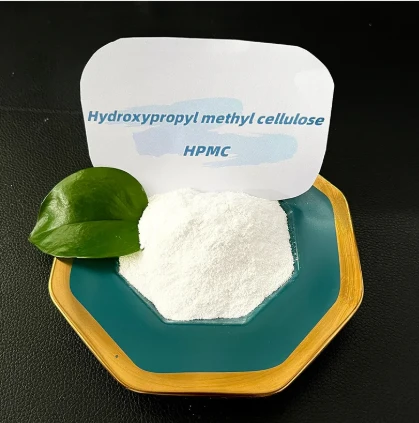
Unlocking the Potential of HPMC A Comprehensive Guide to Finding Quality HPMC for Sale Exploring the world of construction and pharmaceuticals often leads one to discover crucial compounds that serve as the backbone for many industry applications. Among these compounds, Hydroxypropyl Methylcellulose, or HPMC, stands out due to its versatile nature and beneficial properties. For businesses seeking to integrate HPMC into their processes, finding reliable sources of HPMC for sale is paramount . Hydroxypropyl Methylcellulose (HPMC) is a non-ionic, water-soluble cellulose ether, celebrated for its binding, thickening, and stabilizing abilities. This makes it an indispensable ingredient in construction materials, pharmaceuticals, personal care products, and even food. As demand grows across these sectors, there is an imperative need to secure high-quality HPMC from reputable suppliers. The construction industry extensively utilizes HPMC as a crucial component in cement-based materials, adhesives, and coatings. Its ability to enhance water retention, workability, and overall performance of construction materials makes it an essential additive. When searching for HPMC for sale in this sector, companies should look for suppliers that can verify the purity and grade specific to industry standards, ensuring optimal product performance. In pharmaceuticals, HPMC serves as an excipient in tablet formulations, utilized for its film-forming properties that assist in controlled drug release. Its non-toxic, hypoallergenic nature assures that it meets the rigorous demands of pharmaceutical manufacturers. Companies sourcing HPMC for this purpose must prioritize suppliers who provide certification of compliance with regulatory bodies such as the FDA or EMA. The skincare and personal care industries also harness the versatility of HPMC, employing it as a thickener and stabilizer in lotions, creams, and shampoos. For companies searching for HPMC for sale in personal care, attention should be given to suppliers offering cosmetic-grade HPMC, free from any contaminants that might affect skin sensitivity. hpmc for sale While the applications of HPMC are vast, navigating the market to find reputable suppliers can be challenging. One key strategy is to evaluate the expertise and experience of potential suppliers. Companies that specialize in cellulose ether production with decades of experience tend to offer products of higher consistency and reliability. Moreover, expertise in customizing HPMC formulations to meet specific industry needs can significantly enhance product value. To ensure authoritativeness and trustworthiness, businesses should seek providers with transparent sourcing and manufacturing processes. This includes thorough documentation of the product's origin, the technology used in its production, and the quality control measures in place. A supplier's adherence to international quality standards, such as ISO certifications, is a strong indicator of reliability. Facilitating partnerships with suppliers who offer technical support and product development consultation can further cement a company's standing in its respective industry. Suppliers with in-house experts who can guide the adaptation of HPMC into existing processes provide invaluable insights that optimize end-use applications, offering a competitive edge in the market. Moreover, leveraging digital platforms to read reviews and case studies from past clients can provide a clear view of a supplier's reputation. Positive testimonials and proven success stories contribute significantly to a supplier’s credibility, making them more attractive options for businesses. In packing and logistics, it is crucial to ensure that the HPMC is delivered under conditions that preserve its quality and integrity. Engaging suppliers who understand the nuances of logistics and who can guarantee timely delivery can be a defining factor in maintaining a seamless supply chain. Conclusively, businesses seeking to enhance their outputs through HPMC must conduct thorough due diligence in selecting suppliers. From construction to pharmaceuticals and personal care, finding quality HPMC for sale hinges on a supplier's ability to offer product excellence, proven expertise, and unwavering trustworthiness. When these elements align, companies not only enhance their products but also fortify their market position, showcasing a commitment to quality and innovation.
advantages
-

200000 Viscosities
Excellent product
We can produce pure products up to 200,000 viscosities
-

40000 tons
High yield
We don’t stop production all year round, and the annual output can reach 40,000 tons
-

24 hours
Quality service
We provide 24-hours online reception service, welcome to consult at any time
———— Inquiry Form
Schedule A services


-
 hpmc_grades_and_uses
Oct . 25, 2025
Materials derived from natural sources, like wood cellulose , are redefining industries with their v -
 athari_ya_fiber_polypropen_katika_saruji
Oct . 25, 2025
Exploring the Intricacies of Hydroxyethyl Starch (HES) A Critical Product Insight Hydroxyethyl starc -
 concrete_with_fibre_reinforcement
Oct . 25, 2025
In the ever-evolving construction industry, materials that enhance performance, longevity, and effic


